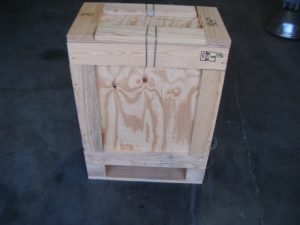

Shipping internationally can be complex, but a clear checklist simplifies the process and avoids costly mistakes. From ensuring proper documentation to meeting packaging standards like ISPM 15, every step matters. Here’s a quick breakdown:
- Documents: Prepare a detailed commercial invoice, packing list, and bill of lading. Ensure accuracy to avoid customs delays.
- Regulations: Follow ISPM 15 for wooden packaging and apply correct HS codes for duties and taxes.
- Packaging: Use custom wooden crates with moisture protection and clear, durable labels.
- Incoterms: Define responsibilities (e.g., FOB, CIF) to prevent disputes.
- Final Checks: Inspect crates, verify documents, and consider cargo insurance.
The Export Shipping Documentation Process
Step 1: Gather Required Export Documents
Getting your paperwork right is absolutely essential when it comes to international shipping. Even a small mistake can lead to customs delays, fines, or even having your shipment seized. To avoid these headaches, it’s smart to create a detailed checklist that keeps everything organized and on track.
Since documentation requirements can vary depending on your destination, double-check with your foreign customer or freight forwarder. What works for Canada might not cut it for Germany or Japan. Start by gathering these key documents.
Commercial Invoice
The commercial invoice is the backbone of your export documentation. It establishes the value of your shipment and helps customs officials calculate duties. Think of it as the document that sets the stage for everything else.
This invoice should include the names and addresses of the buyer, seller, and any other receiving party. Don’t forget to assign an invoice number, add a customer reference number, and specify terms of sale, delivery agreements, payment terms, and the currency used. If there’s a purchase order or letter of credit involved, include those details too.
When it comes to product details, precision is key. List the total number of units, provide a clear description of the shipment, and include the container type along with the gross weight. Make sure to specify both net and gross weights in pounds and kilograms. Your pricing section should show the price per unit, total price in US dollars, and the shipment’s overall commercial value. Don’t forget to add any extra costs, like insurance or export packaging fees.
Every package mark on your invoice must match the actual markings on the containers. This includes your company name, country of origin, port of entry, package weight (in both pounds and kilograms), dimensions (in inches), and any control numbers. If certifications are required for the items, make sure they’re listed on the invoice too.
Packing List
The packing list gives customs a detailed breakdown of your shipment. It’s like a roadmap that helps officials verify the contents. It should specify the type of packaging you’re using – cartons, boxes, drums, or custom crates – along with the quantity and dimensions (in inches and pounds).
Include net, tare, and gross weights in both US and metric units to meet international standards. Clearly mark each package (e.g., "1 of 3") so customs can easily track everything. For containerized shipments, prepare a separate packing list for each container, including the container number, seal number, and a complete list of contents.
Be sure to use Harmonized System (HS) codes to classify your goods. These codes are used by almost every country to determine tariff rates and product classifications. In the US, they’re also called Schedule B codes, and you can find them through the U.S. Census Bureau’s online resources.
Accurate packing lists and commercial invoices are a must for smooth customs clearance.
Bill of Lading
The bill of lading (BOL) is your shipping contract with the carrier and also acts as a receipt for the freight. Your customer will typically need an original copy of this document to pick up the goods at the destination port. Keep in mind, the carrier – not you – creates this document.
There are two main types of BOLs:
- Straight Bill of Lading: Non-negotiable and comes with fixed terms.
- Shipper’s Order Bill of Lading: Negotiable, allowing the transfer of ownership while the goods are still in transit.
For air shipments, you’ll always use non-negotiable air waybills.
The BOL includes key information like the shipper and consignee details, cargo description, transportation mode, route, and any special handling instructions. It also confirms that the carrier has accepted the shipment and outlines the terms of transport.
Be specific when describing your products to avoid issues. Vague terms like "parts", "gift", or "samples" can raise red flags with customs and lead to delays.
Finally, hold onto copies of all export documents for at least five years in case of an audit. Many carriers now offer digital submission options, which can make the customs process quicker and more efficient.
Step 2: Meet ISPM 15 and Other Shipping Rules
Once your documents are ready, the next step is tackling the technical shipping standards. Ignoring these requirements can lead to shipment delays, rejection, or even fines. It’s essential to understand and follow the regulations specific to your shipment and its destination.
ISPM 15 Certification for Wooden Packaging
If your shipment involves wooden packaging, ensuring it meets ISPM 15 standards is a must. This international standard was established to stop the spread of pests and diseases through wood packaging materials used in global shipping.
Under ISPM 15, all wooden packaging must undergo heat treatment. The wood must be heated to at least 133°F (56°C) for a minimum of 30 minutes. Afterward, the packaging needs to be stamped with an official mark that includes the country code, producer number, treatment type, and certification body identifier. For instance, a U.S. crate might display a mark like "US-123 HT DB" inside a rectangular border.
If you’re sourcing wooden crates, companies like Twin Oak Crates, LLC offer packaging that meets ISPM 15 standards. This certification ensures your shipment complies with phytosanitary regulations, helping to avoid customs delays. When ordering crates, make sure to specify that you need ISPM 15 certification for international shipping.
Customs and Duties
Customs duties can significantly affect both costs and the customs clearance process. Correctly coding and classifying your goods is just as important as proper documentation. Customs duty refers to a tax or tariff imposed on goods crossing international borders, serving as a revenue source for governments and a way to protect local industries.
Duties and taxes are calculated based on several factors, including the product’s value, trade agreements, country of origin, intended use, and the Harmonized System (HS) code. The HS code is crucial – it determines the duty rate your goods will face. In the U.S., these codes are referred to as Schedule B codes for exports and Harmonized Tariff Schedule (HTS) codes for imports.
Using the wrong HS code can result in higher duties, penalties, or delays. To avoid this, verify your codes using the U.S. Census Bureau’s online database or consult a customs broker if you’re unsure.
Trade agreements can also play a big role in reducing duty rates. For instance, goods shipped under the USMCA (formerly NAFTA) between the U.S., Canada, and Mexico may qualify for reduced or eliminated tariffs if they meet specific origin requirements.
Apply Incoterms Correctly
Another key component of international shipping is the proper use of Incoterms (International Commercial Terms). These terms outline who is responsible for various aspects of the shipment, such as paying for shipping and insurance, and where the transfer of responsibility from seller to buyer occurs. Misusing Incoterms can lead to unexpected costs, insurance issues, or disputes over damaged goods.
Here are some frequently used Incoterms:
- FOB (Free on Board): The seller is responsible for loading goods at the designated port. Responsibility shifts to the buyer once the goods cross the ship’s rail.
- CIF (Cost, Insurance, and Freight): The seller covers shipping and insurance to the destination port. Risk transfers to the buyer once the goods are loaded at the origin port.
- EXW (Ex Works): The buyer picks up goods at the seller’s facility and manages all shipping responsibilities from there.
- DDP (Delivered Duty Paid): The seller takes care of everything, including customs clearance and duty payments at the destination.
Choose Incoterms that align with your level of experience and risk tolerance. If you’re new to exporting, working with an experienced freight forwarder can help you avoid costly mistakes.
Always be specific when stating Incoterms. For example, instead of just saying "FOB", specify "FOB Port of Los Angeles" to clearly define the transfer point. This precision minimizes confusion and ensures that everyone involved understands their responsibilities.
Step 3: Choose Custom Wooden Crating Solutions
Once you’ve sorted out your documentation and compliance requirements, the next step is finding the right packaging. Custom wooden crating is an excellent choice for safeguarding valuable or fragile items, especially when shipping internationally. These crates are designed to provide the extra protection your cargo needs.
Pick the Right Crate Design
The design of your wooden crate should align with the specific needs of your shipment. Things like weight, dimensions, and the conditions at the destination play a big role in determining the best structure. Companies like Twin Oak Crates, LLC offer digital crate design services that take into account factors like stacking, forklift access, and how the crate will be opened. For example, a slip lid design – where the lid overlaps the body – offers better weather resistance than a flat lid. Inside cleats can also be added to create a smoother exterior and help direct water away from the crate. The type of wood you choose matters too; plywood, for instance, is great for resisting humidity and adds to the crate’s durability.
Add Moisture Protection
Once your crate design is finalized, it’s time to focus on moisture protection. Moisture can be a major issue for many types of cargo, including electronics, machinery, and dry goods. Wood naturally absorbs moisture, which can lead to problems like warping, cracking, or even mold if not properly addressed.
One way to combat this is by lining the inside of the crate with moisture-resistant barrier films. These films help reduce water vapor transmission. For metal items, adding a volatile corrosion inhibitor (VCI) lining can create an invisible shield that keeps oxygen and moisture from damaging the surface.
Desiccant bags are another essential tool. These absorb excess moisture inside the crate. A good rule of thumb is to use one gram of silica gel per liter of container volume. Placing these bags strategically throughout the crate helps maintain a dry environment. For especially sensitive equipment, sealed vapor barrier bags offer an extra layer of protection by wrapping items completely before they’re placed in the crate.
Don’t forget about the exterior of the crate. Painting the wood adds a layer of moisture and UV resistance, creating a watertight barrier that extends the crate’s lifespan. Vinyl weatherstripping on removable panels can seal gaps and further protect against moisture infiltration.
Twin Oak Crates, LLC offers a full range of vapor barrier services, combining barrier films and desiccant placement to ensure optimal conditions during shipping.
Use On-Site Packaging and Pick-Up Services
Professional packaging services can save you time and ensure your items are handled with care from the start. On-site packaging brings experienced technicians and high-quality materials directly to your location, minimizing the risks associated with excessive handling.
Twin Oak Crates, LLC provides both on-site packaging and pick-up services tailored to your needs. If space is tight or specialized equipment is required, their pick-up service transports your items to their facility for packaging.
During this process, climate-controlled storage helps maintain the integrity of the wood and prevents moisture issues before the shipment even begins. These facilities typically keep humidity levels between 50–55% and temperatures between 55°F and 80°F (13°C–27°C), ensuring the crates remain stable and protective.
The value of professional packaging goes beyond just putting items in a box. Experts ensure your shipment meets international shipping standards, achieves proper weight distribution, and includes all necessary documentation. Once everything is securely packed, you can move on to labeling and final inspections to complete the process.
sbb-itb-1c2a65d
Step 4: Package and Label Your Shipment
After packing your crate, the next step is to focus on labeling and documentation. These details are crucial for ensuring your shipment moves through customs without unnecessary hiccups. Think of this step as the bridge between your packaging process and the final preparations for a smooth customs clearance.
Create Clear, Weather-Resistant Labels
Labels are the primary way to communicate important details about your shipment. Make sure to include the full destination address and a backup contact number for the consignee. Use materials that are weather-resistant to keep the labels legible throughout the journey. Adding standard handling symbols like "This Side Up," "Fragile," or "Keep Dry" is also a good idea – these symbols transcend language barriers and ensure proper handling of your shipment. If your crate is made of wood and requires ISPM 15 certification, ensure the certification mark is clearly visible and protected from wear or damage.
Stick to Standardized Measurements and Documentation
Keeping your measurements and paperwork consistent can prevent confusion when your shipment reaches customs. Record all dimensions, weights, and temperature requirements using U.S. units, and double-check that these details match across all export documents. If your shipment involves multiple crates, number each one and provide an organized contents list. This small step can significantly speed up the customs verification process.
Step 5: Manage Risks and Complete Final Checks
Before sending your cargo on its way, it’s crucial to manage potential risks and double-check every detail. These steps will help ensure your shipment is secure and ready for transit.
Get Cargo Insurance
Cargo insurance provides a financial safety net if something goes wrong during transit. Whether it’s bad weather or equipment failure, unexpected issues can arise. Marine cargo insurance is a solid option, as it typically covers the value of your goods along with related expenses like freight and handling. When choosing a policy, dig into the fine print to understand any exclusions – especially those tied to packaging. For example, make sure your wooden crates meet industry standards, as this can impact your coverage.
To protect yourself further, take clear photos of your cargo before shipping and store these along with other records in a secure digital location. If you ever need to file a claim, having this documentation can save time and hassle.
Keep Organized Records
Good record-keeping is essential for smooth customs processes and for planning future shipments. Create a dedicated folder for each shipment, containing all relevant documents such as export paperwork, ISPM 15 certificates, crate specifications, and communications with freight forwarders. Maintain both physical and digital copies to ensure easy access when needed.
If any issues arise during transit, jot down brief notes for reference. These records can be invaluable for improving your processes over time.
Perform Final Quality Checks
A thorough final inspection can make all the difference in avoiding delays or damage. Start by physically examining each crate. Check that fasteners are secure, corners are reinforced, and there are no gaps where moisture could seep in. Ensure any required markings, like ISPM 15 stamps, are clearly visible and intact.
Next, review your paperwork to confirm that weights, dimensions, and product descriptions are consistent across all documents. Inconsistent information can lead to customs delays, so accuracy is key.
For shipments requiring special care, verify that desiccants and vapor barriers are correctly placed and sealed. If your cargo is temperature-sensitive, double-check that monitoring devices are activated and working properly. Before sealing the crates, take photographs of their condition and labels – this provides proof of proper preparation.
Finally, do a walkthrough of your shipping area to confirm that everything is loaded. Using a standardized checklist can help you avoid oversights and feel confident that your shipment is ready for its journey.
Conclusion: Improve Your International Shipping with Twin Oak Crates, LLC
Every stage of the shipping process – whether it’s preparing documents or crafting custom packaging – plays a crucial role in ensuring smooth international shipments. Success in global exports hinges on meticulous preparation and packaging that can withstand the rigors of transit. This checklist brings together the essential steps to help your shipments meet global requirements without a hitch.
Unlike domestic shipping, international freight faces unique challenges. Your cargo will pass through multiple handling points and endure various environmental conditions, making sturdy, compliant packaging a must. It’s not just about protecting your goods; it’s about meeting the specific regulations of the destination country.
"Our customers are assured that our packing will meet their most demanding need for protection and compliance."
– Twin Oak Crates, LLC
Wooden packaging, in particular, requires special attention. Non-compliance with ISPM 15 standards can lead to confiscation, destruction of goods, or hefty penalties. That’s why working with an ISPM 15 certified provider is critical – it ensures your wooden packaging meets global phytosanitary standards.
Twin Oak Crates, LLC provides end-to-end solutions to tackle these challenges. Their vapor barrier services shield your cargo from moisture during long ocean voyages. Whether you need on-site packaging at your facility or prefer their pick-up services, they handle the logistics, allowing you to focus on what you do best.
By following these steps, you can enhance your export operations, ensuring your products arrive intact and clear customs without issues. Deliveries that meet expectations not only strengthen trust with international customers but also reduce the likelihood of claims and delays. Partnering with seasoned professionals who understand the technical and practical aspects of international shipping is an investment in your business’s long-term success.
Accurate labeling and proper packaging are key to avoiding customs delays, fines, and shipment rejections. These details can make all the difference in creating a seamless and efficient shipping experience.
FAQs
What happens if wooden packaging doesn’t meet ISPM 15 standards in international shipping?
Failing to meet ISPM 15 standards for wooden packaging can cause major headaches. Customs authorities in the destination country might delay, reject, or even destroy your shipment. This could lead to hefty fines, wasted resources, and a hit to your business’s reputation.
On top of that, non-compliance poses a serious threat to global ecosystems and agriculture by potentially spreading pests and diseases. To steer clear of these problems, make sure your wooden packaging is treated and marked in line with ISPM 15 guidelines.
How can I make sure my shipment’s HS codes are accurate to prevent customs delays and penalties?
To keep your shipments moving smoothly and avoid customs delays or penalties, it’s important to use accurate and properly applied HS (Harmonized System) codes. Start by determining the correct HS code for your products – this can be done by consulting a trusted resource or seeking advice from a trade expert. Make sure the code aligns precisely with the type of goods you’re shipping.
When filling out shipping documents, include a clear and detailed description of each item. Mention specifics like the materials used and the product’s intended purpose. Double-check that all the details are consistent across your forms and free of mistakes. These small but important steps can make the customs process much smoother and reduce the likelihood of complications during shipping.
What should I consider when selecting the right Incoterms for my international shipments?
When dealing with international shipments, selecting the right Incoterms is crucial. These terms clearly outline the responsibilities of both buyers and sellers, covering who manages costs, risks, and tasks at various stages of the shipping process.
Here’s a quick look at some commonly used Incoterms:
- EXW (Ex Works): The buyer takes on all transportation responsibilities starting from the seller’s location.
- FOB (Free On Board): The seller handles delivery to the port and ensures the goods are loaded onto the ship. After that, the buyer assumes responsibility.
- CIF (Cost, Insurance, and Freight): The seller covers the costs of transportation, insurance, and freight to the destination port.
- DDP (Delivered Duty Paid): The seller manages everything, including customs duties, until the goods arrive at the buyer’s specified location.
Picking the right Incoterm depends on your business priorities, budget, and the level of control you want over the shipment. Open communication with your trading partner is key to preventing any misunderstandings.